

Cascadia Center for Regional Development
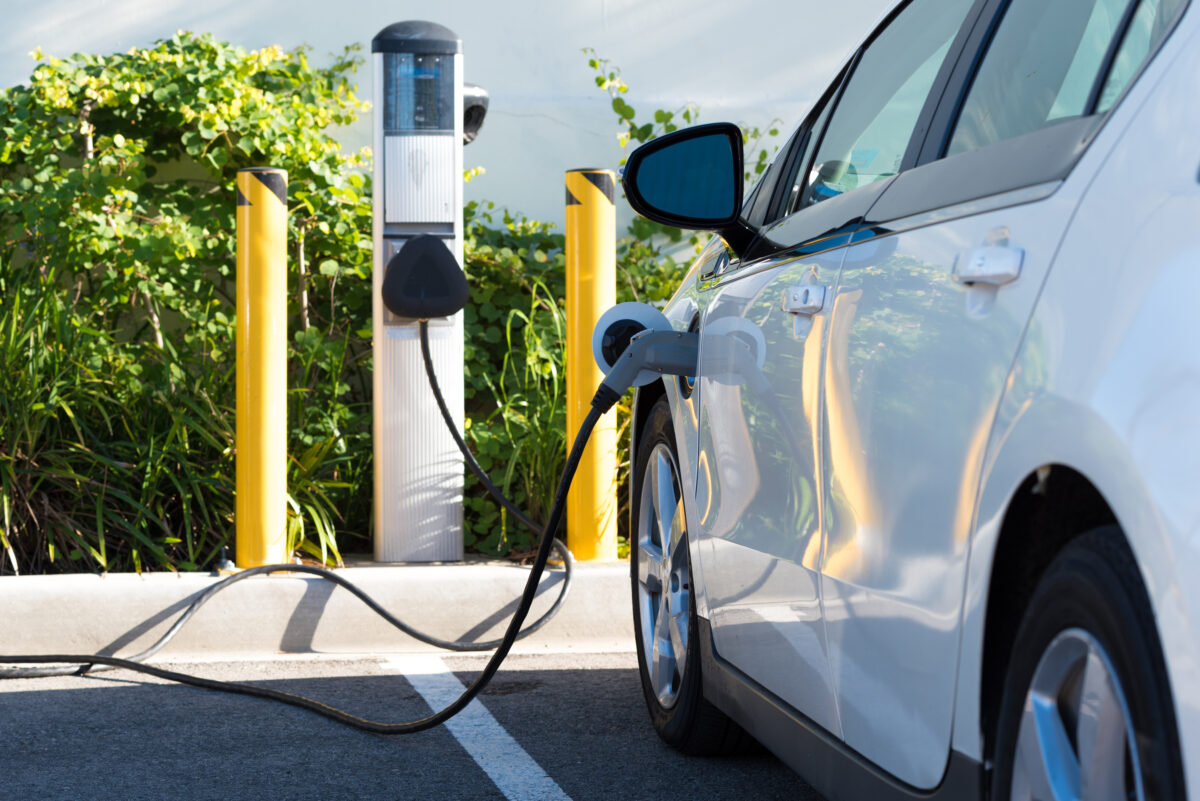
Founded in 1993, as the Cascadia Project, Discovery Institute’s Cascadia Center for Regional Development is an important force in regional transportation and sustainable development issues. We’re known for our involvement in transportation and development issues in the Cascadia Corridor, Puget Sound and in the U.S.-Canadian cross-border realm. We’ve recently added to that mix through a major program to promote U.S. efforts to reduce reliance on foreign oil, including the earliest possible development and integration of flex-fuel, plug-in, hybrid-electric vehicles. … Read More >
Blog
Book Excerpt: How Tech and Government Can Spin the Flywheels of Equitable Prosperity Together
- November 2, 2021
- 11
On the ‘Edge’ with Driverless Cars
- March 20, 2019
- 6
Will the Rise of the Eastside Eclipse the Seattle Boom?
- February 18, 2019
- 8
When Does the Viaduct Close? How Much is the tunnel toll? Your Guide to Seattle’s Highway 99 Project
- November 19, 2018
- 1
Self-Driving Vehicles May Be the Answer to Seattle-Area Traffic Problems
- September 18, 2018
- 2
Events
- Date
- Apr042023
- April
- 04
- Apr
- 4
- 04
- 2023
Digital Payment Innovations at the Curbside
- Cascadia Center
- Date
- Apr042023
- April
- 04
- Apr
- 4
- 04
- 2023
- INRIX
- Kirkland, WA