Header Graphic - Technology and Energy Link to the Cascadia Center Home Page

Surface & Marine Transportation


INTRODUCTION

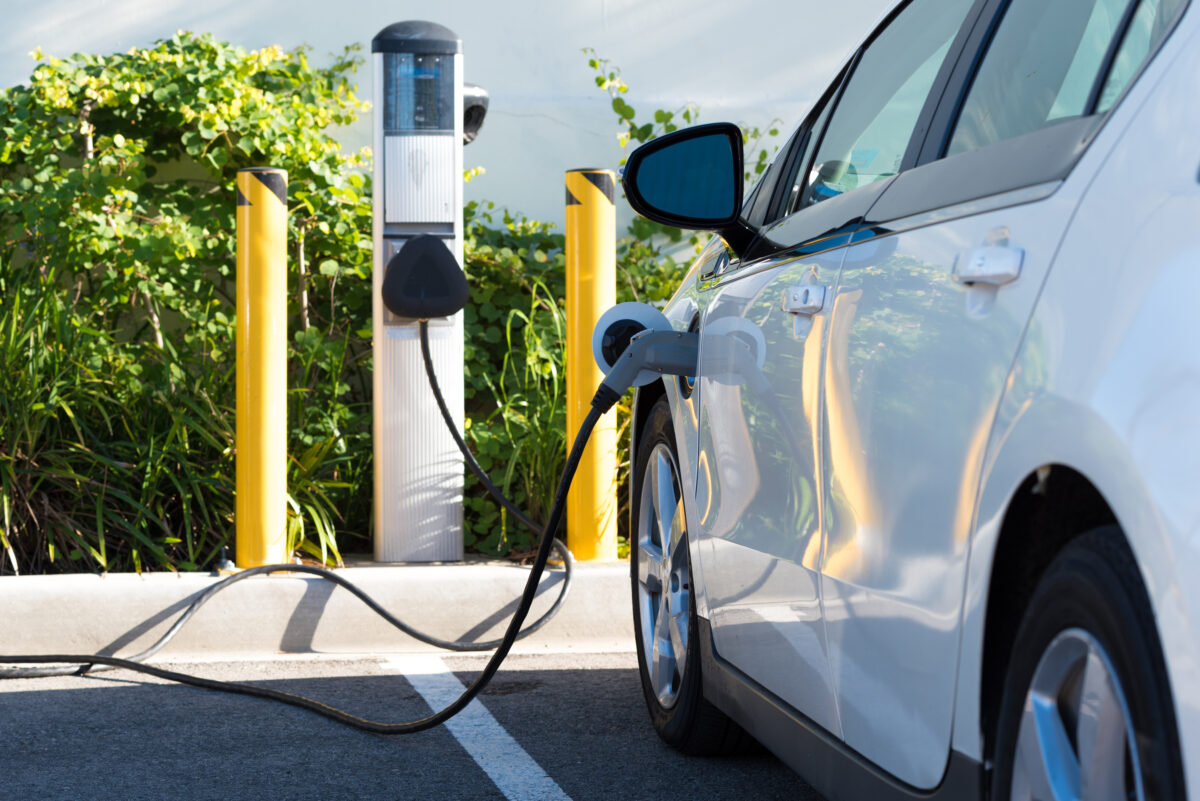
Continuing population growth and traffic congestion in major metropolitan regions such as Central Puget Sound heighten the need to update surface transportation systems. A carefully calibrated mix of roadway and transit projects - along with increased tele-work, ride-sharing and para-transit - are necessary to reduce congestion, improve safety, and protect the environment. Our focus is not only on Central Puget Sound, but also the Cascadia Corridor of British Columbia, Washington and Oregon; and the West Coast Corridor, extending from British Columbia all the way south to metro San Diego. One vital component of an improved West Coast transportation network is improved inter-city passenger rail and a more robust freight rail infrastructure. Another is development of a far-reaching, coordinated alternative fuel infrastructure, as electric and plug-in hybrid vehicles gradually come on line, and as research eventually leads to broad use of second-generation, net-green bio-fuels. Improved on-board and roadway technology, known collectively as "Intelligent Transportation Systems," is also key, going forward. (We cover green vehicles and ITS in our "Technology and Energy" section.)

FACING THE FUTURE

The future is gaining on us. Motor vehicles are becoming ever more fuel-efficient. Boosted by current research in the Pacific Northwest and other locales, alternative fuels will one day transform the relationship between vehicles, utilities and the environment.

Time-variable electronic tolling, using windshield transponders and overhead road gantries, is already spreading across the land. The initial groundwork is gingerly being laid for another revolution in daily driving, one at least 10 years off - implementation of vehicle-miles-traveled taxes. These approaches will help limit peak-hour traffic congestion and get people to consider alternatives to solo driving, including tele-work, transit and ride-sharing.

Simultaneously, major metro regions must continue the difficult work of developing convenient, speedy multi-modal transit systems that offer attractive alternatives to driving. Express bus service, commuter rail, light rail and - where opportunities exist - marine transit, can all play important roles.

Another huge challenge is road and bridge improvements.

ROADS, BRIDGES AND TUNNELS

Like many other metro regions, Central Puget Sound is dealing with the consequences of decades of exponential growth in the use of regional highways and state routes. While 2008 saw a modest drop-off from the previous year in vehicle miles traveled around the nation, due to spiking gas prices that made little difference in terms of highway congestion and wear and tear, chronic under-investment for years has left our region's major highways badly in need of repair.

More

RAIL

Here in Puget Sound, the Eastside TRailway proposal energetically supported by Cascadia Center and others continues to advance. And nationally, it's looking like an opportune time for ramping up inter-city rail as U.S. President Barack Obama wants to see more high-speed inter-city passenger rail, as do many key members of the U.S. House and Senate. State and regional leaders also have led the continuing push for better rail infrastructure. A second daily passenger train between Seattle and Vancouver B.C., remains an important priority.

More

BUS TRANSIT

At present, buses operated by a variety of different agencies provide the bulk of transit service in Puget Sound. Operators include King County Metro, Snohomish County's Community Transit, Pierce County Transit, Sound Transit, and Kitsap Transit. Ridership has risen due to the 2008 gas price run-up, but revenues have dropped due to sales tax declines tied to the economic downturn. Key is finding steady funding sources from new taxes or fees that are less volatile than the sales tax. Finally, the bus riding experience needs to be improved. Operators need to cut loading and debarking times and help the buses run on schedule with a mandatory pre-paid fare system, including scanners for fare compliance at dual, ground-level entrances and exits on each bus. To address funding shortfalls and service challenges such as frequent lateness and overcrowding on certain runs, major bus operators in the region such as Metro should implement steeper fare hikes, winnow routes, and focus more on express routes. Other recommendations: greater use of on-board traffic signal controls to extend green lights, and passenger benefits such as provision of on-board wireless Internet connections for a monthly fee and more cup-holders on more buses.

More

MARINE TRANSIT

Puget Sound is blessed with an extensive namesake water highway that early last century was used extensively by a network of passenger-only ferries known as "The Mosquito Fleet." The age of the auto led to the Mosquito Fleet's demise, but in recent years the utility of water transit has again become apparent.

More


---
For More Information Contact:
Cascadia Center
208 Columbia St. — Seattle, WA 98104
206-292-0401 — Fax: 206-682-5320
cascadiacenter@discovery.org